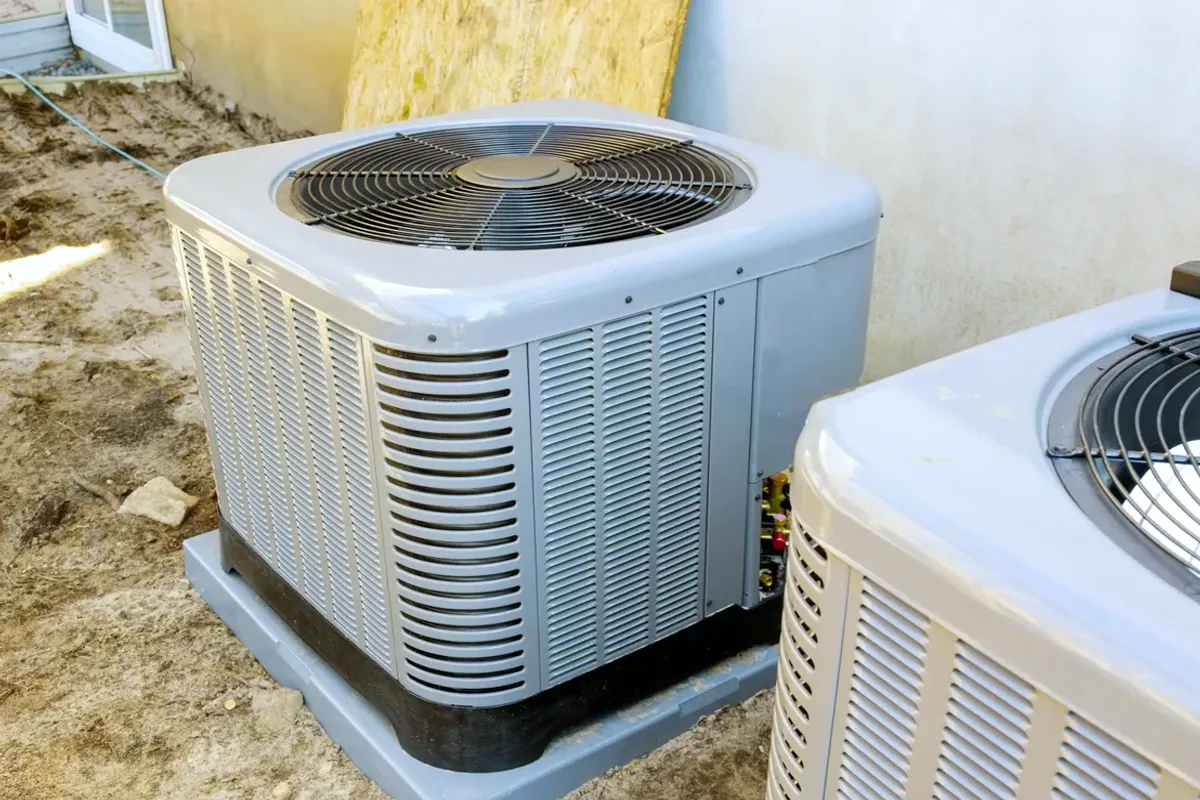
Prepare a home AC repair request in Guelph. Record whether the central or ductless system starts, moves air or cools. Observations frame an assessment; they do not identify a failed part.
What information helps identify why an air conditioner is not cooling properly?
An air conditioner that will not start, blows warm air, cools unevenly, or makes an unusual sound needs diagnosis based on its equipment type and operating symptoms. Central systems and ductless mini-splits have different airflow paths and component arrangements. Electrical faults such as a failed capacitor or contactor are not the same as restricted airflow, a coil problem, or a refrigerant-circuit fault. System model, operating readings, and recent service history help determine whether the work is a repair or a broader replacement assessment.
Record whether the outdoor unit runs, whether airflow is weak or warm, and whether the issue affects every area or only a ductless zone. The equipment model and any recent service are useful context. Inspection readings help separate electrical starting faults from airflow restrictions, coil conditions, or refrigerant-circuit concerns, which require different repair scopes.
Central air and ductless mini-split cooling faults
Electrical components, airflow readings, coils, and refrigerant-circuit diagnosis
Repair-versus-replacement considerations for aging or damaged equipment
Assessment and Scope
Questions for the Proposed Work
01
Separate electrical faults from cooling faults
A unit that will not start may have an electrical control or starting-component fault, while a running system that supplies warm air calls for a broader sequence of checks. Capacitors, contactors, relays, and connections are internal electrical components and should be assessed by a qualified person. The equipment's response and measured readings help determine whether a specific repair is appropriate or whether other operating conditions are contributing.
02
Check airflow before blaming the cooling circuit
Weak cooling can result from restricted airflow as well as problems within the cooling circuit. For central air, filter condition, grilles, and duct static-pressure readings can help identify restrictions affecting the whole system. A ductless unit has its own indoor airflow path and coil condition to assess. Refrigerant work requires appropriate equipment and expertise; inspection findings, rather than symptoms alone, should guide that diagnosis.
03
Weigh repair against replacement condition
A repair-versus-replacement decision depends on the confirmed fault, the condition of the compressor and coils, and the system's broader service history. A discrete electrical fault is different from repeated refrigerant leakage or major component damage. For an older unit facing substantial work, compare the repair scope with the requirements of a suitable replacement. Rising operating costs may be part of that comparison, but do not establish the diagnosis by themselves.
Compare the next step
Request an explanation of the installed cooling arrangement, including the indoor coil, outdoor unit, and control. Ask which observed conditions are maintenance items and which indicate a repair. Establish whether previous equipment changes affect compatibility before judging the system only by how cool the air feels at one vent.
Do not open electrical panels or handle refrigerant. If ice, water near electrical equipment, or abnormal operation is present, stop using the affected system and request an assessment.