What happens during a furnace repair assessment, and when might replacement be considered?
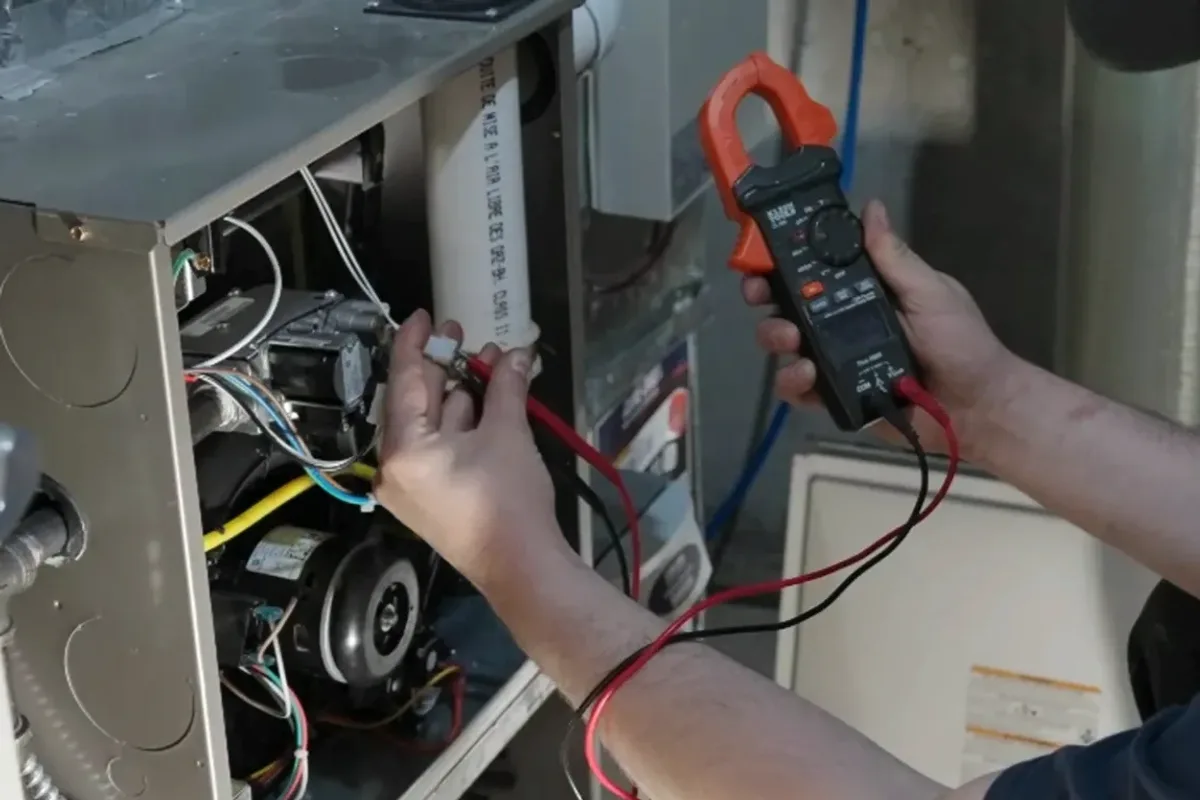
A furnace that will not start, supplies cool air, cycles repeatedly, or makes an unfamiliar sound needs diagnosis before parts are selected. The cause may be an ignition or flame-sensing fault, a pressure-switch issue, a blower problem, or a control fault, and similar symptoms can arise from different components. Repair guidance should distinguish a correctable failure from a condition such as a damaged heat exchanger that changes the replacement decision. The furnace model, fault history, and observed operating sequence help define the scope.
Note whether the furnace starts, how long it runs, and any displayed fault code, unusual sound, or change in airflow. The model and fuel type help identify the relevant components. Inspection findings distinguish ignition and sensing faults from blower, pressure-switch, or control problems, while the condition of the heat exchanger informs whether repair remains a reasonable option.
Airflow, filters, burners, flame sensing, and inspection-guided furnace maintenance
Heat-exchanger condition and repair-versus-replacement decisions
Assessment and Scope
Questions for the Proposed Work
01
Trace the failure before selecting a part
A no-start condition can involve an igniter, flame sensor, pressure switch, or control sequence; a furnace that starts but does not move air points toward a different set of checks. Fault codes and the order in which components operate help narrow the cause. Internal electrical, combustion, and safety-control work requires qualified assessment, rather than repeated resets or attempts to bypass a control.
02
Use inspection findings to guide maintenance
Maintenance findings should reflect the furnace model and its condition. Relevant checks can include filter fit, airflow, burner condition, flame sensing, and safety controls, with any cleaning or adjustment guided by manufacturer instructions and inspection results. A history of repeated lockouts or restricted airflow may help explain a failure. Maintenance is distinct from repairing an active fault and does not guarantee that a component will not fail.
03
Compare repair with replacement on evidence
A repair decision depends on the diagnosed fault, the furnace's overall condition, and whether parts and safe operation can be established. A damaged heat exchanger can change the scope substantially and may make replacement more appropriate than repairing a different, isolated component. Age alone does not identify the fault. Compare the inspection findings and repair scope with the condition and requirements of a potential replacement before deciding.
Compare the next step
Ask which findings need action now, which belong on a maintenance record, and which remain uncertain without further inspection. Have the contractor identify any equipment warranty or service information worth recovering. Keep the appliance identification and assessment together so a later quotation can refer to the same furnace.
Leave burner, fuel, venting, electrical, and internal equipment work to a qualified contractor. Do not bypass a safety switch or repeatedly reset a furnace.