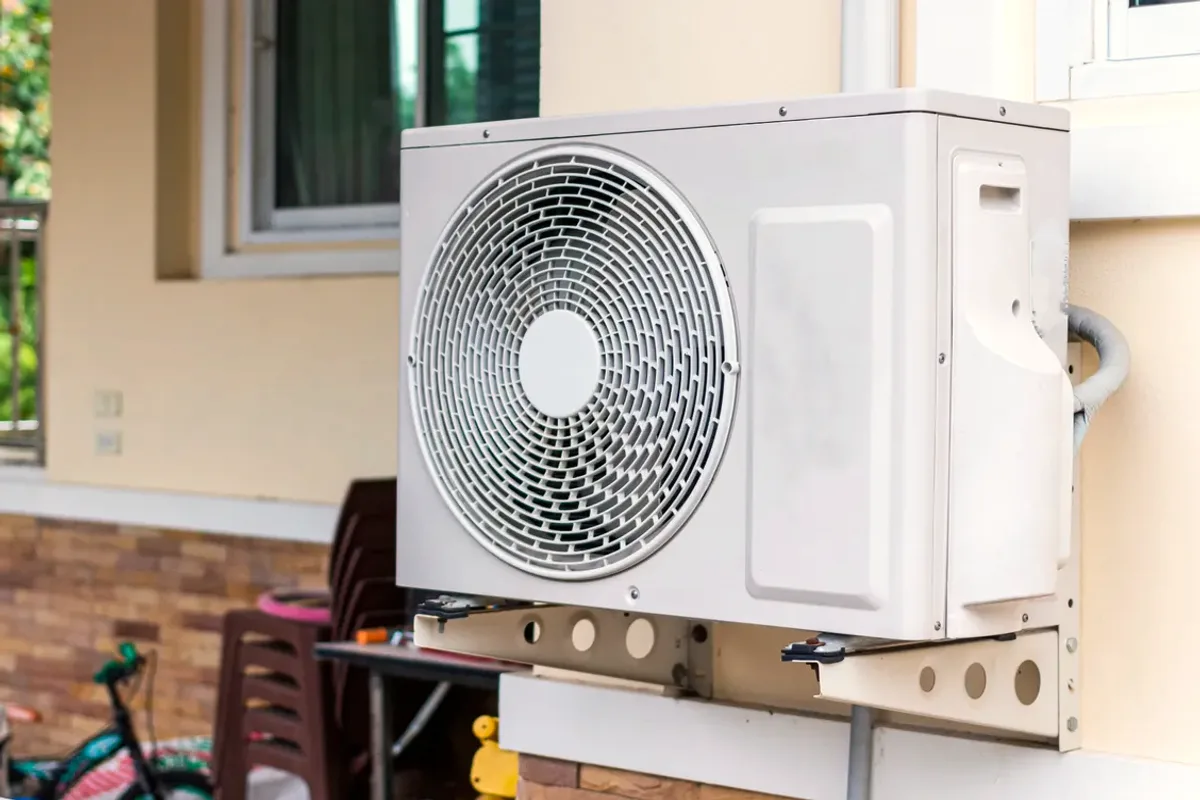
Request heat pump repair & installation for a property in Guelph. Include the equipment, the problem or planned work, and your location so the request can be reviewed.
How can a heat pump fault be distinguished from a system that needs replacement?
A heat pump may need repair when it fails to heat, cools unevenly, makes an unusual sound, or develops an operating fault. Diagnosis should account for the equipment's heating and cooling functions, including its defrost operation and controls, rather than treating it as a furnace or air conditioner alone. If a system is being replaced, its capacity, configuration, and existing distribution equipment help define installation scope. Model information and service history are useful for comparing repair with replacement.
Note whether the problem occurs in heating, cooling, or both, and whether it is intermittent or persistent. The model, displayed fault information, and recent service history help guide inspection. Findings from the refrigerant circuit, electrical connections, coils, and defrost sequence distinguish repair needs from conditions that may justify a replacement assessment.
Heating and cooling faults, sensors, controls, and operating noise
Refrigerant circuit, defrost operation, airflow, coils, and electrical checks
Repair-versus-replacement decisions and heat pump installation sizing
Assessment and Scope
Questions for the Proposed Work
01
Diagnose the fault across operating modes
A heat pump that performs differently in heating and cooling may have a control, sensor, airflow, or refrigerant-circuit issue. Unusual noise also needs to be traced to its source rather than treated as a diagnosis. Inspection can compare the unit's operating sequence and readings across the reported mode. Refrigerant and internal electrical work are not occupant tasks; component findings should guide whether a repair is appropriate.
02
Use maintenance findings to explain performance
Maintenance checks depend on the model and inspection findings and may include filters, coil condition, electrical connections, refrigerant-circuit indicators, and defrost operation. A dirty filter or obstructed airflow can affect operation differently from a defrost or control fault, so the observed condition matters. Manufacturer instructions guide service requirements. Maintenance is not the same as repairing an active failure and should not be represented as preventing every breakdown.
03
Compare repair scope with replacement needs
The repair decision changes with the fault: a sensor or electrical component is not equivalent to compressor damage or repeated refrigerant leakage. Compare the confirmed repair, the equipment's condition, and its history with the scope of a replacement. A new heat pump must be selected for the property's assessed heating and cooling loads and compatible distribution and controls. Those findings, not a general efficiency claim, inform the decision.
Compare the next step
Have the contractor explain the existing changeover sequence in ordinary terms: which equipment supplies heat, when supplementary heat is allowed, and what the occupant should see on the control. Ask for the operating instructions and model-specific maintenance plan before changing settings inherited from the previous owner.
Cold-climate capability does not prove that one model covers every home heating load. Ask how the selected equipment and supplementary heat meet the actual design requirements.